


Getting a good night’s rest is vital for your overall health. But if you’re constantly tossing and turning, waking up groggy, or struggling with sleep problems like insomnia or snoring, you’re not alone. Millions of people suffer from trouble sleeping and are constantly looking for real solutions to improve their sleep.
At Thriftcare Pharmacy, our expert pharmacists often guide patients on sleep hygiene, natural supplements, and lifestyle changes to help them sleep better. This guide includes 27 pharmacist-recommended tips to improve your sleep naturally and effectively—no complicated routines, just actionable advice.
Why Sleep Health Matters
Sleep is not just a time to rest—it’s when your body repairs tissues, consolidates memories, balances hormones, and strengthens immunity. Poor sleep quality can lead to a host of issues including:
- Weakened immune function
- Weight gain
- Mood disturbances
- Increased risk of heart disease and diabetes
- Cognitive decline
If you’ve been wondering how to improve sleep quality, the good news is that there are practical steps you can take today.
1. Stick to a Consistent Sleep Schedule
The body’s natural internal process (circadian rhythm) functions best when you wake up and go to bed at the same time every day—even on weekends. This regularity helps train your body when it’s time to sleep and when it’s time to be alert.
2. Create a Sleep-Inducing Environment
Keep your room dark, quiet, and cool (ideally between 60–67°F). Use blackout curtains, reduce noise with earplugs or white noise machines, and keep electronics out of the bedroom to promote sound sleep.
3. Avoid Blue Light Before Bed
Smartphones, tablets, and TVs emit blue light that disrupts melatonin production—the hormone that tells your body it’s time to sleep. Avoid screens at least 1 hour before bed to improve your sleep quality naturally.
4. Watch Your Caffeine Intake
Caffeine can stay in your system for up to 8 hours. Avoid coffee, tea, and energy drinks after 2 PM if you’re having trouble sleeping.
5. Consider Magnesium Supplements
Magnesium plays a role in regulating melatonin and calming the nervous system. A supplement or magnesium-rich foods like spinach and almonds can help improve your sleep.
6. Limit Alcohol at Night
While alcohol may make you drowsy, it disrupts REM sleep and may cause frequent awakenings. To sleep well, limit or avoid alcohol before bedtime.
7. Try Natural Sleep Aids
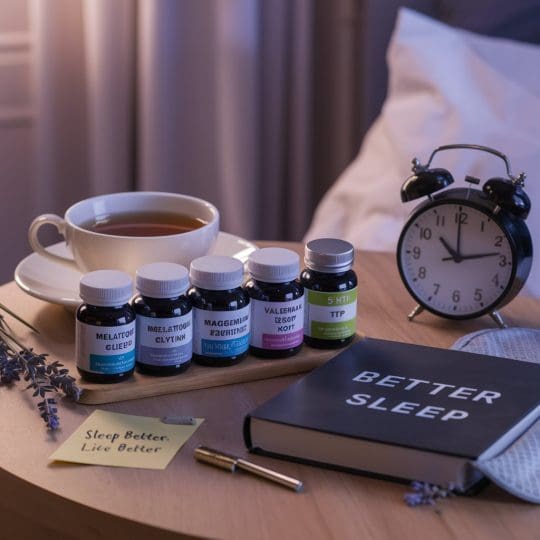
Melatonin, valerian root, and chamomile supplements are popular natural remedies for sleep problems. Ask our Thriftcare pharmacists which option is right for you.
8. Practice Deep Breathing or Meditation
Mindfulness techniques help calm racing thoughts and reduce anxiety—a major cause of sleep insomnia. Try deep breathing or guided meditation apps before bed.
9. Take a Warm Bath Before Bed
A warm bath raises your core temperature temporarily. When you get out, your body temperature drops—mimicking the natural signal for the body to sleep.
10. Get Sunlight During the Day
Exposure to natural sunlight helps reset your circadian rhythm, making it easier to fall asleep at night. Aim for 30 minutes of daylight each morning to improve your sleep schedule.
11. Avoid Long Naps in the Afternoon
Napping for more than 30 minutes during the day can confuse your body’s internal clock and worsen insomnia. Keep naps short and early if needed.
12. Watch What You Eat at Dinner
Heavy, spicy, or high-sugar meals can lead to indigestion and disrupted sleep habits. Opt for a light dinner at least 2–3 hours before bedtime.
13. Exercise Regularly
Regular physical activity helps you fall asleep faster and stay asleep for a longer period of time. Just avoid intense workouts too close to bedtime.
14. Use Aromatherapy
Essential oils like lavender, sandalwood, or cedarwood are known to relax the nervous system and encourage sound sleep. Use them in your bedroom or apply them topically (diluted).
15. Manage Stress Levels
Chronic stress is a major culprit behind trouble sleeping. Journaling, yoga, therapy, and speaking with a trusted pharmacist or healthcare provider can help.
16. Maintain a Sleep Diary
Track your sleep patterns, habits, and how you feel each day. This can help identify triggers and track what is helping you improve your sleep.
17. Avoid Smoking and Nicotine
Nicotine is a stimulant that disrupts sleep patterns and can lead to sleep insomnia. Reducing or quitting smoking can dramatically improve your sleep quality.
18. Try the 4-7-8 Breathing Technique
Breathe in for 4 seconds, hold for 7 seconds, and exhale for 8 seconds. This breathing trick relaxes the nervous system and primes your body to sleep.
19. Limit Fluid Intake at Night
Drinking too much water or other fluids late at night may lead to frequent bathroom trips, interrupting good sleep.

20. Use a Weighted Blanket
Weighted blankets offer gentle pressure stimulation, helping reduce anxiety and promote deep sleep.
21. Consider OTC Sleep Supplements
Our pharmacy offers over-the-counter sleep aids like melatonin, diphenhydramine, and herbal blends. Speak to a pharmacist to choose the right option for improving sleep quality.
22. Set a Digital Curfew
Set your phone to “Do Not Disturb” at least one hour before bed. This encourages you to disconnect and reduces the urge to scroll.
23. Address Snoring
If snoring is disturbing your partner—or your own sleep—it may indicate sleep apnea. Speak with a healthcare provider and explore anti-snoring aids available at our pharmacy.
24. Evaluate Your Mattress and Pillow
Sleeping on the wrong mattress can strain your back and cause frequent awakenings. Invest in a good mattress and pillow for better sleep health.
25. Practice Gratitude at Night
Journaling 3 things you’re grateful for can shift your mind from stress to calmness, making it easier to sleep.
26. Don’t Force Sleep
If you can’t fall asleep within 20 minutes, get up and do something relaxing in dim light—then return to bed when you feel drowsy. Tossing and turning only increases anxiety.
27. Consult Your Pharmacist
If you’ve tried everything and still struggle with sleep problems, it’s time to get expert help. Our pharmacists at Thriftcare Pharmacy can guide you with the right supplements, evaluate possible medication side effects, and help you improve your sleep naturally.
Supplements That Can Help Improve Your Sleep
Here are some popular pharmacy-recommended supplements for sleepwell support:
| Supplement | Benefits |
| Melatonin | Regulates circadian rhythm; helpful for jet lag and shift workers |
| Valerian Root | Calms anxiety and improves deep sleep |
| Magnesium Glycinate | Reduces nighttime awakenings and muscle cramps |
| L-Theanine | Promotes relaxation without drowsiness |
| 5-HTP | Boosts serotonin, a precursor to melatonin |
| CBD | Calms nervous system (consult with a pharmacist) |
When to Seek Medical Help
If you’ve experienced chronic insomnia, heavy snoring, or daytime fatigue despite following these tips, it may be a sign of an underlying condition like:
- Sleep apnea
- Restless leg syndrome
- Depression or anxiety
- Hormonal imbalances
Our pharmacists can guide you to the appropriate healthcare provider for diagnosis and treatment.
Sleep Better, Live Better: Your Action Plan Starts Now
It’s easy to overlook the importance of sleep health, but even small changes can have a big impact. By adopting healthy sleep habits, addressing lifestyle factors, and considering natural remedies, you can finally take control of your rest.
We hope these 27 pharmacist-approved tips help you improve your sleep, wake up refreshed, and live a healthier life. If you need personalized help or want to explore sleep aids, visit Thriftcare Pharmacy and speak with our expert team.